

The American Beauty movie script isn’t just a typical screenplay—it serves as a complex exploration of suburban life, desire, and the quest for meaning. Crafted by Alan Ball and realized in Sam Mendes’ acclaimed 1999 Oscar-winning film, the American Beauty script is distinguished by its sharp dialogue, deeply developed character arcs, and daring thematic layers.
Table of Contents
In this guide, we’ll break down the script’s plot, themes, and writing techniques, giving you both a fan’s appreciation and a screenwriter’s toolkit.
Overview of the Film’s Story
American Beauty follows Lester Burnham, a middle-aged man in a midlife crisis, as he rebels against his unfulfilling career, marriage, and suburban life. His pursuit of freedom affects his wife Carolyn, daughter Jane, and their neighbors, revealing hidden desires, strained relationships, and the gap between appearances and reality—ending in a tragic but thought-provoking climax.
Awards and Cultural Impact
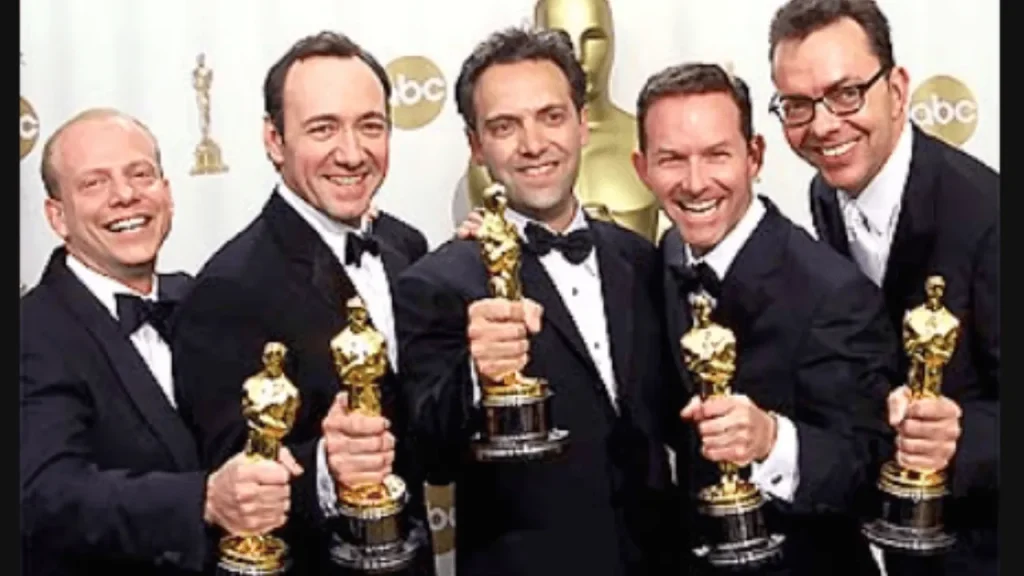
Released in 1999, the film was a critical and commercial hit, winning five Oscars: Best Picture, Best Director (Sam Mendes), Best Actor (Kevin Spacey), Best Original Screenplay (Alan Ball), and Best Cinematography (Conrad L. Hall). It remains a cultural touchstone, studied for its sharp writing, layered themes, and lasting commentary on suburban life and personal identity.
American Beauty – Academy Awards (2000)
| Category | Nominee(s) | Result |
|---|---|---|
| Best Picture | Bruce Cohen, Dan Jinks | Won |
| Best Director | Sam Mendes | Won |
| Best Actor | Kevin Spacey | Won |
| Best Actress | Annette Bening | Nominated |
| Best Supporting Actor | Chris Cooper | Nominated |
| Best Original Screenplay | Alan Ball | Won |
| Best Cinematography | Conrad L. Hall | Won |
| Best Film Editing | Tariq Anwar, Christopher Greenbury | Nominated |
| Best Original Score | Thomas Newman | Nominated |
| Best Sound | Scott Millan, Bob Beemer, Doug Hemphill | Nominated |
Script Structure & Screenwriting Techniques
Opening Scene Breakdown
The opening of American Beauty sets the tone with a mix of dark humor and suspense. Lester’s voiceover hints at the story’s tragic outcome, immediately engaging viewers. The scene also introduces the suburban setting and underlying tension between characters, using visual storytelling and subtle dialogue to establish mood and theme.
Key Turning Points in the Story
The screenplay carefully builds momentum through major turning points—Lester quitting his job, his fascination with Angela, and Jane’s growing relationship with Ricky. Each moment escalates emotional stakes and pushes characters toward critical decisions, maintaining a tight narrative flow that balances drama and revelation.
Dialogue and Character Development
Alan Ball’s script uses sharp, revealing dialogue that exposes each character’s true desires and flaws. Conversations often carry double meanings or hidden emotions, deepening characterization and driving the plot. This layered dialogue helps the audience understand complex personalities while keeping the tone engaging and authentic.
Major Themes in the Script
Suburban Dissatisfaction & the Search for Meaning
American Beauty explores the emptiness beneath the perfect suburban facade. Characters like Lester and Carolyn live comfortable lives but feel emotionally trapped and unfulfilled. The story reveals how material success and routine often fail to satisfy deeper human needs for meaning, freedom, and authenticity. Lester’s journey highlights the universal struggle to break free from societal expectations and rediscover purpose.
Beauty, Desire, and Reality
The screenplay examines beauty not just as physical attraction but as an ideal that characters strive toward—sometimes with dangerous consequences. Desire drives much of the plot, from Lester’s infatuation with Angela to Carolyn’s obsession with control and appearance. These pursuits blur the line between fantasy and reality, showing how desire can both liberate and blind people to the truths around them.
The Role of Perspective and Narration
Lester’s first-person narration is key to how the story unfolds. His voice offers intimate access to his thoughts and feelings but also introduces subjectivity that colors the audience’s understanding. This narrative style creates a layered perspective, challenging viewers to discern what’s real and what’s filtered through Lester’s personal experience—adding emotional complexity and depth.
Iconic Lines & Quotes from the Script
How They Reflect the Characters
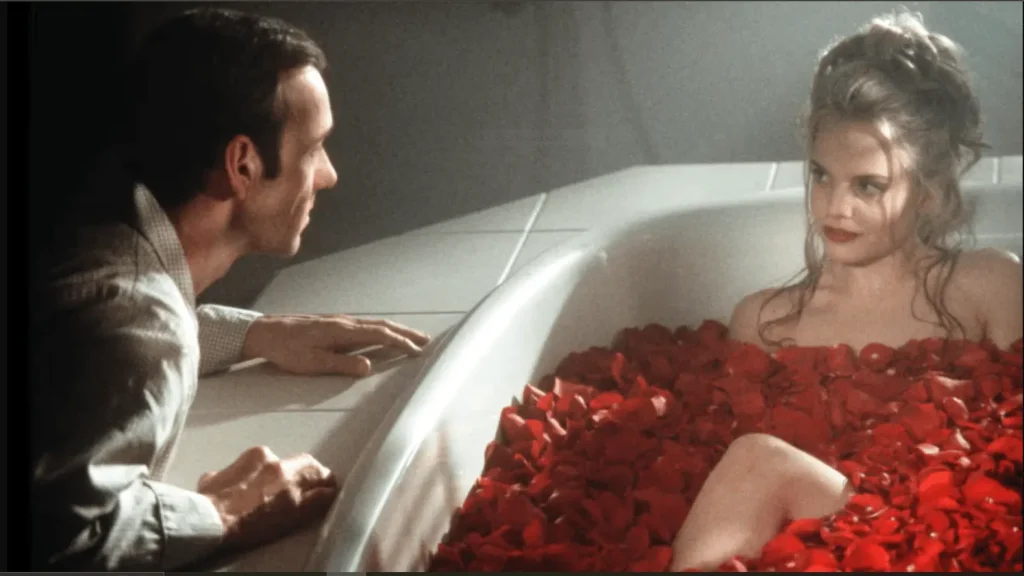
Lines like “I feel like I’ve been in a coma for about twenty years” capture Lester’s awakening, while Carolyn’s sharp remarks reveal her need for control.
Why These Lines Resonate with Audiences
The dialogue resonates because it blends humor, honesty, and vulnerability, often delivering universal truths through specific, personal moments.
Accessing the American Beauty Script
Official Sources for the Script
Readers can find the American Beauty screenplay through licensed databases such as IMSDb and Script Slug. These platforms offer free access for educational and analytical purposes, ensuring you view the script as intended by its creators.
How to Read Movie Scripts Legally
To avoid copyright infringement, always use verified sources or purchase the screenplay from reputable booksellers. Many film schools and libraries also provide access to scripts for study, giving you a legal and high-quality reading experience.
Conclusion – Why the American Beauty Script Remains Timeless
The American Beauty screenplay is more than a story—it’s a layered examination of human nature, suburban life, and the search for meaning. With its memorable characters, sharp dialogue, and bold thematic depth, it continues to inspire screenwriters, filmmakers, and audiences decades later.
Call-to-Action:
Want to explore more classic scripts? Check out our full library of screenplay breakdowns and start learning from cinema’s most iconic stories.
FAQs about American Beauty Movie
What was the point of American Beauty?
he film explores the search for meaning and happiness beneath suburban appearances, highlighting the conflicts between reality and illusion.
What does the red rose symbolize in American Beauty?
The red rose represents desire, passion, and the contrast between surface beauty and hidden complexity.
What is the significance of the plastic bag in American Beauty?
The plastic bag symbolizes beauty and fragility in everyday life, showing how something simple and overlooked can hold deep meaning.