

Overview of A Beautiful Mind (2001)
The A Beautiful Mind (2001) movie script, written by Akiva Goldsman and directed by Ron Howard, brings to life the remarkable story of John Nash, a brilliant mathematician whose battle with schizophrenia profoundly impacts both his career and personal life. Adapted from Sylvia Nasar’s biography, the A Beautiful Mind 2001 movie script masterfully transforms Nash’s complex experiences into an emotionally powerful and compelling narrative.
Table of Contents
Oscar Recognition and Public Reception
The film won four Academy Awards, including Best Picture and Best Adapted Screenplay. Its careful balance between realism and dramatization made it both a critical and commercial success, helping to destigmatize mental illness while spotlighting the life of an overlooked genius.
Academy Awards (Oscars) – A Beautiful Mind (2001)
| Category | Result | Recipient(s) |
|---|---|---|
| Best Picture | Won | Brian Grazer, Ron Howard (Producers) |
| Best Director | Won | Ron Howard |
| Best Adapted Screenplay | Won | Akiva Goldsman |
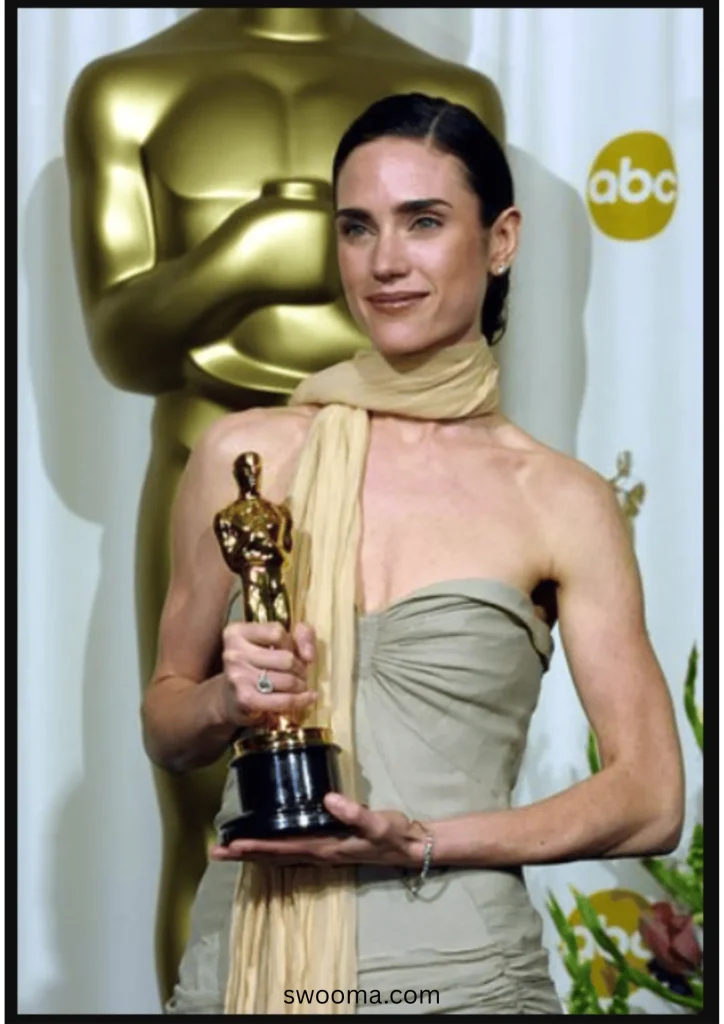
| Best Supporting Actress | Won | Jennifer Connelly |
| Best Actor | Nominated | Russell Crowe |
| Best Film Editing | Nominated | Mike Hill, Daniel P. Hanley |
| Best Makeup | Nominated | Greg Cannom, Colleen Callaghan |
| Best Original Score | Nominated | James Horner |

Why the Script Stands Out in Modern Cinema
Real vs. Fictional: Narrative Choices
One of the most compelling aspects of A Beautiful Mind is how the script balances fact with fiction. Screenwriter Akiva Goldsman made deliberate narrative choices to enhance emotional engagement and cinematic storytelling, even if it meant deviating from strict historical accuracy.
While the film is based on Sylvia Nasar’s biography of John Nash, several key characters—most notably Charles Herman (Nash’s roommate), Marcee (Charles’s niece), and William Parcher (a government agent)—were entirely fictional. These hallucinated figures are not mentioned in the biography but are introduced in the screenplay to externalize Nash’s schizophrenia. Instead of showing Nash in quiet, internal struggle, the script personifies his delusions, allowing the audience to experience them alongside him.
Other elements, such as the timeline of Nash’s illness, his relationship with Alicia, and the extent of his institutionalization, were also adjusted for dramatic effect. These creative liberties are not meant to mislead but to craft a more emotionally resonant and accessible film experience—something that pure biography might not have achieved as effectively.
Emotional Structure and Tone
The emotional arc of A Beautiful Mind mirrors John Nash’s journey from brilliance to mental collapse and eventual recovery. The script moves from light intellectual tones to psychological suspense, then into emotional redemption.
This tonal progression deepens audience empathy and transforms the story into a powerful, human-centered narrative—one that avoids stereotypes and highlights resilience.
Key Themes and Character Arcs
The Portrayal of Mental Health
The film presents schizophrenia with sensitivity and realism. By externalizing Nash’s hallucinations through vivid characters, the script allows viewers to experience his distorted reality. It highlights both the confusion and isolation of mental illness, fostering empathy without romanticizing the condition.
John Nash’s Internal Conflict
Nash’s journey is not just about scientific genius, but about self-discovery and acceptance. The script traces his transformation from arrogant prodigy to a man who learns to manage his illness without letting it define him—making his arc both inspiring and deeply human.
Alicia Nash’s Role and Perspective
Alicia serves as the emotional anchor of the story. Her loyalty, strength, and quiet resilience ground Nash during his most unstable moments. Through her eyes, we witness the personal cost of loving someone with mental illness, adding depth and balance to the narrative.
Memorable Scenes and Dialogue Analysis
The “Pen Ceremony” Scene Breakdown
The “pen ceremony” is a powerful, silent moment where Nash is honored by his colleagues—each placing a pen in front of him as a gesture of respect. Though fictional, the scene symbolizes acceptance, redemption, and the recognition of intellectual legacy. The buildup, set in Princeton’s quiet ambiance, delivers a deeply emotional payoff without a single word spoken.
Imaginary Characters: How They Shape the Plot
Charles, Marcee, and Parcher are central to the film’s plot twist and emotional depth. These hallucinated characters mislead both Nash and the audience, cleverly masking the true nature of his illness. Their eventual revelation redefines earlier scenes, reinforcing the film’s core theme—perception versus reality.
Who Wrote the Script? Writer Background
Akiva Goldsman: Writing Style & Legacy
Akiva Goldsman is an Oscar-winning screenwriter known for emotional, character-driven storytelling. His style often blends personal trauma with redemptive arcs, as seen in A Beautiful Mind. With credits including I Am Legend and Cinderella Man, Goldsman has built a legacy of writing complex, human-centered drama.
Inspirations Behind the Script
Goldsman drew from Sylvia Nasar’s biography and his own experience growing up with a schizophrenic parent. This personal connection informed the script’s compassionate portrayal of mental illness, shaping it into a story that’s both dramatically engaging and emotionally authentic.
Where to Find the Full Script Online
Recommended Resources
If you’re looking to read the A Beautiful Mind (2001) movie script, several reputable screenplay databases offer free access:
- IMSDb (Internet Movie Script Database)
- SimplyScripts
These sites host a wide selection of film scripts for educational and reference purposes.
The Brilliance Behind the Script
A Beautiful Mind remains a landmark in cinematic storytelling—not just for its poignant subject matter, but for how expertly the screenplay crafts an emotionally layered, narratively complex story. Akiva Goldsman’s script bridges the gap between biography and drama, presenting mental illness with empathy and artistic finesse.
For anyone studying screenwriting, this script offers a masterclass in pacing, character, and emotional depth.
FAQs About the A Beautiful Mind (2001):
What is the famous line from A Beautiful Mind?
One of the most famous lines from A Beautiful Mind is:
“I’ve made the most important discovery of my career. It’s only in the mysterious equation of love that any logical reasons can be found.”
What is the main message of A Beautiful Mind?
The main message of A Beautiful Mind is that resilience, love, and support can help overcome even the most challenging mental health struggles, highlighting the power of the human spirit to triumph over adversity.
Is A Beautiful Mind based on a true story?
Yes, A Beautiful Mind is based on the true story of John Nash, a brilliant mathematician who struggled with schizophrenia. The film adapts his life, though some events and characters were fictionalized for dramatic purposes.